
Somatic Movement Therapy
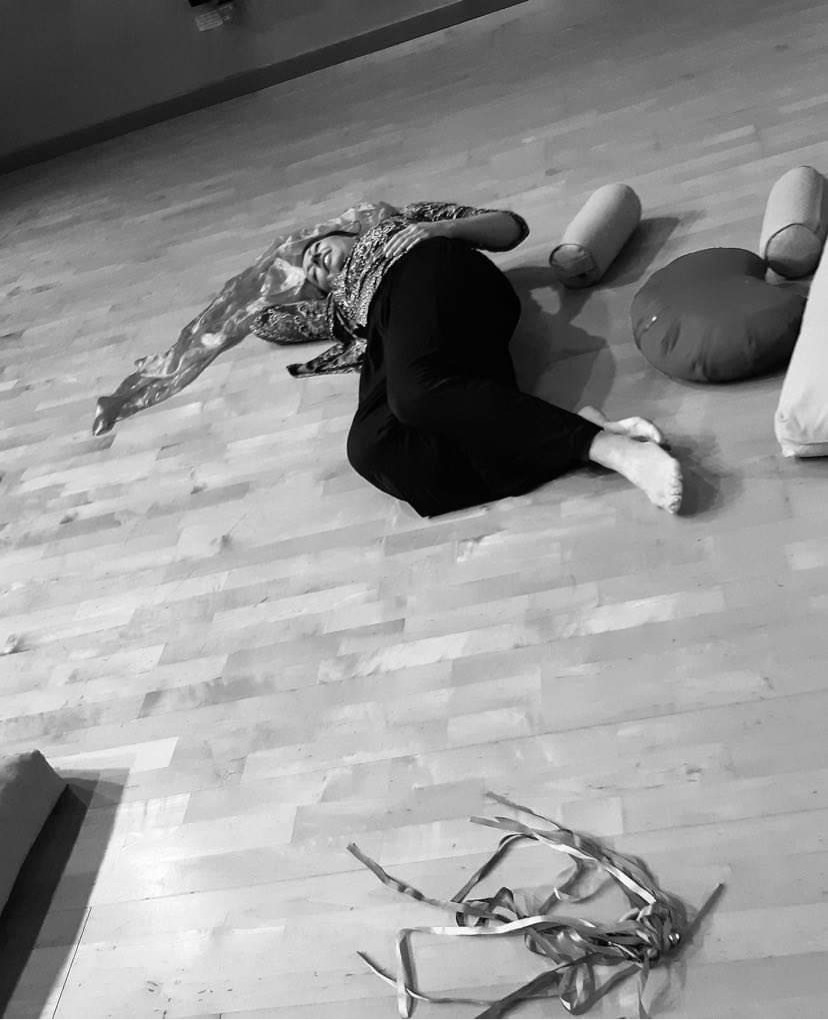



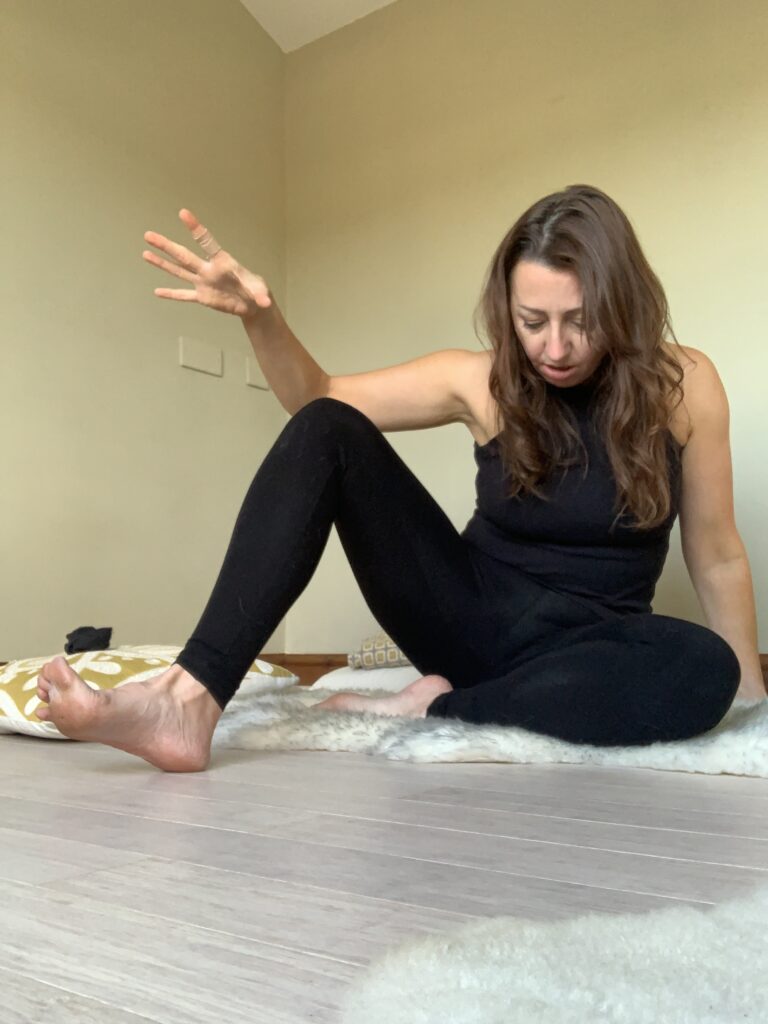
“Our bodies know they belong; it is our minds that make our lives so homeless. … It is through the body that we can rediscover our sense of belonging, our sense of home. By reconnecting with our bodies, by listening to their wisdom, by honoring their needs, we can reclaim our true place in the world and find a sense of wholeness and belonging that transcends the limitations of the mind.”– Marion Woodman
Somatic movement therapy offers a path to healing that begins not with words, but with the body. It recognizes that our physical form holds memories, emotions, and unconscious patterns—often ones we’ve inherited or absorbed long before we had the language to name them. By bringing mindful awareness to how we move, breathe, and inhabit our physical selves, we can access parts of the psyche that traditional talk therapy may not easily reach.
This approach resonates deeply with depth psychology, emphasizing the importance of the unconscious, of shadow material, and of engaging with the parts of ourselves that we have disowned or forgotten. The body, in this framework, is not separate from the psyche but an essential gateway to it.
James Hollis writes, “We all walk in shoes too small for us,” a metaphor for the way we unconsciously limit ourselves by living out old patterns formed in childhood. Somatic movement helps us notice these patterns—not just intellectually, but physically.
We might feel where we contract, where we hold tension, or how we avoid certain movements. These embodied habits often reflect emotional wounds or unmet developmental needs.
“The psyche is the greatest of all cosmic wonders and the sine qua non of the world as an object.” In somatic work, we recognize that the psyche doesn’t live only in the mind—it lives in the body, in sensation, and in motion. Healing, then, isn’t just about insight. It’s about experiencing ourselves differently from the inside out.
By combining the wisdom of depth psychology with the embodied presence of somatic movement, we open a powerful doorway to transformation. Not by bypassing the intellect, but by inviting the body into the conversation—fully, respectfully, and with deep curiosity.
This work can support individuals
. With Complex symptoms as a result of Trauma
. Experiencing Anxiety or Chronic Stress
. Feeling stuck in Repetitive Life Patterns
. Exploring Identity, Purpose, or Spiritual Growth
. Suffering with Illness or Chronic Pain which have no medical explanation
. Artists, Performers, and Creatives
. Wanting to Deepen Self-Awareness
. Feeling a sense of disconnection from their body
. With Anxiety and depression
. Grief and bereavement
. Loneliness and isolation